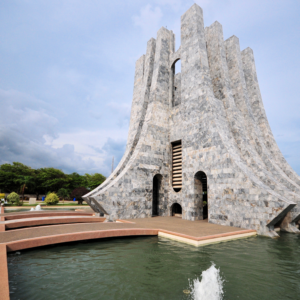
Welcome to Accra

Accra, the vibrant capital of Ghana, is a dynamic coastal city where rich history meets modern African culture. From golden beaches and bustling markets to powerful historical landmarks and a lively nightlife, Accra offers visitors an unforgettable journey into the heart of West Africa.

Akwaaba!  – Welcome to Accra.

How to Get to Accra

Accra is Ghana’s main gateway for international and domestic travel, offering multiple ways to reach the city. 

By Air

  • Kotoka International Airport (ACC) is the primary international airport, located about 10 minutes from the city center.

  • Direct flights connect Accra to cities in Europe (London, Frankfurt, Paris), North America (New York, Washington D.C.), and major African hubs (Lagos, Nairobi, Johannesburg).

  • Upon arrival, taxis, ride-hailing apps (Bolt, Uber), and hotel shuttles are widely available.

By Road

  • Accra is connected by well-maintained highways to other major cities like Kumasi, Cape Coast, Takoradi, and Tema.

  • Long-distance buses (luxury coaches or shared buses) are reliable and offer comfortable trips between cities.

  • Driving yourself or hiring a private car is possible, though traffic in the city can be heavy during peak hours.

Getting Around Accra

Taxis: Metered and widely available, but confirm rates beforehand.

Ride-hailing apps: Bolt and Uber operate efficiently in Accra.

Trotros: Shared minibuses are cheap and popular with locals; routes can be confusing for tourists.

Car rentals: Available for those comfortable with local driving conditions.

Accra holds a central place in Ghana’s political and cultural history. The city played a key role in the struggle for independence and continues to symbolize freedom, resilience, and Pan-African identity.

Must-visit historical sites:

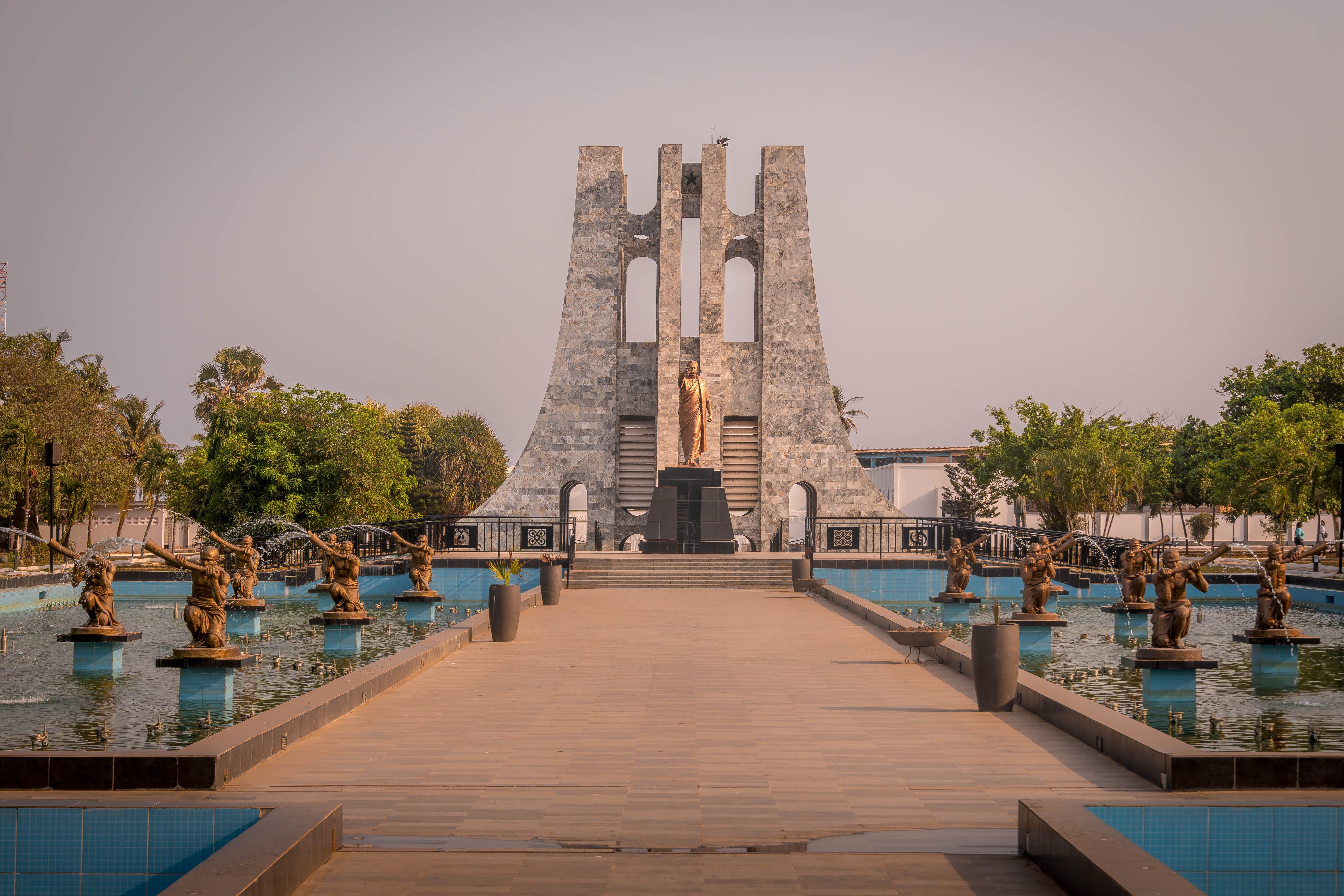
  • Kwame Nkrumah Memorial Park – Honoring Ghana’s first president and independence leader

  • Independence Square – A powerful national symbol

  • Jamestown – Historic district with colonial architecture and fishing traditions

  • W.E.B. Du Bois Memorial Centre – Celebrating Pan-Africanism and African unity

Accra is Ghana’s cultural heartbeat, alive with creativity, rhythm, and color.

  • Music genres include highlife, afrobeats, hip-life, and gospel

  • English is the official language, alongside Twi, Ga, and other local languages

  • The city is known for vibrant festivals, fashion, art, and warm community life

  • Accra’s fashion scene blends traditional fabrics like kente and ankara with modern, creative styles, making clothing a powerful form of self-expression and cultural pride.
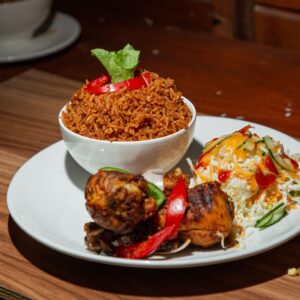
Accra’s food scene is one of its biggest attractions, blending tradition and flavor.

Must-try dishes:

  • Jollof rice

  • Waakye

  • Banku with grilled tilapia

  • Fufu with soup

  • Kelewele (spiced fried plantain)

Street food is affordable, delicious, and an essential part of the Accra experience.
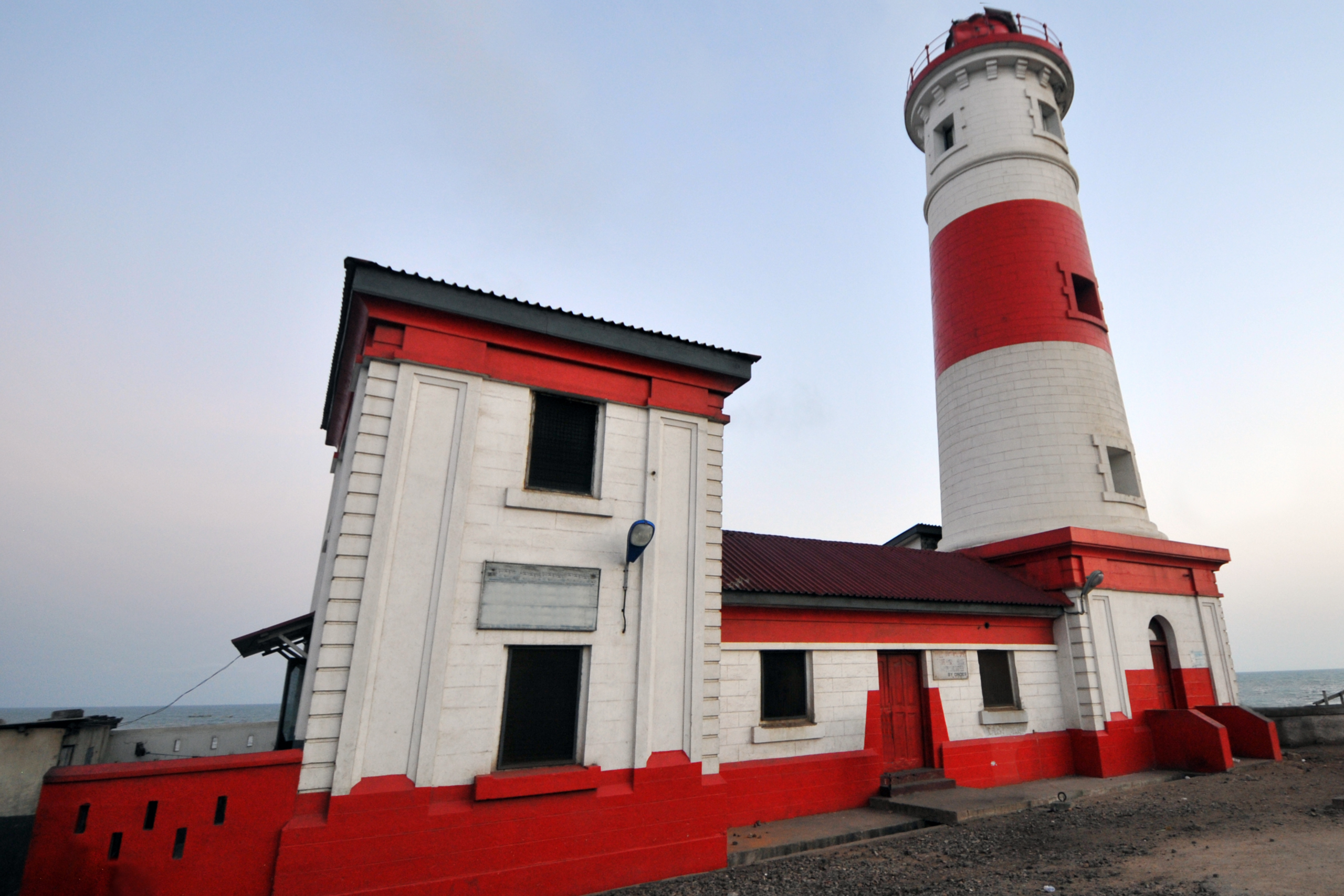
Top Attractions

Jamestown

Jamestown is Accra’s oldest district, known for colonial architecture and fishing culture.
Historic landmarks and lively streets offer visitors a glimpse into Accra’s past.

Arts Centre

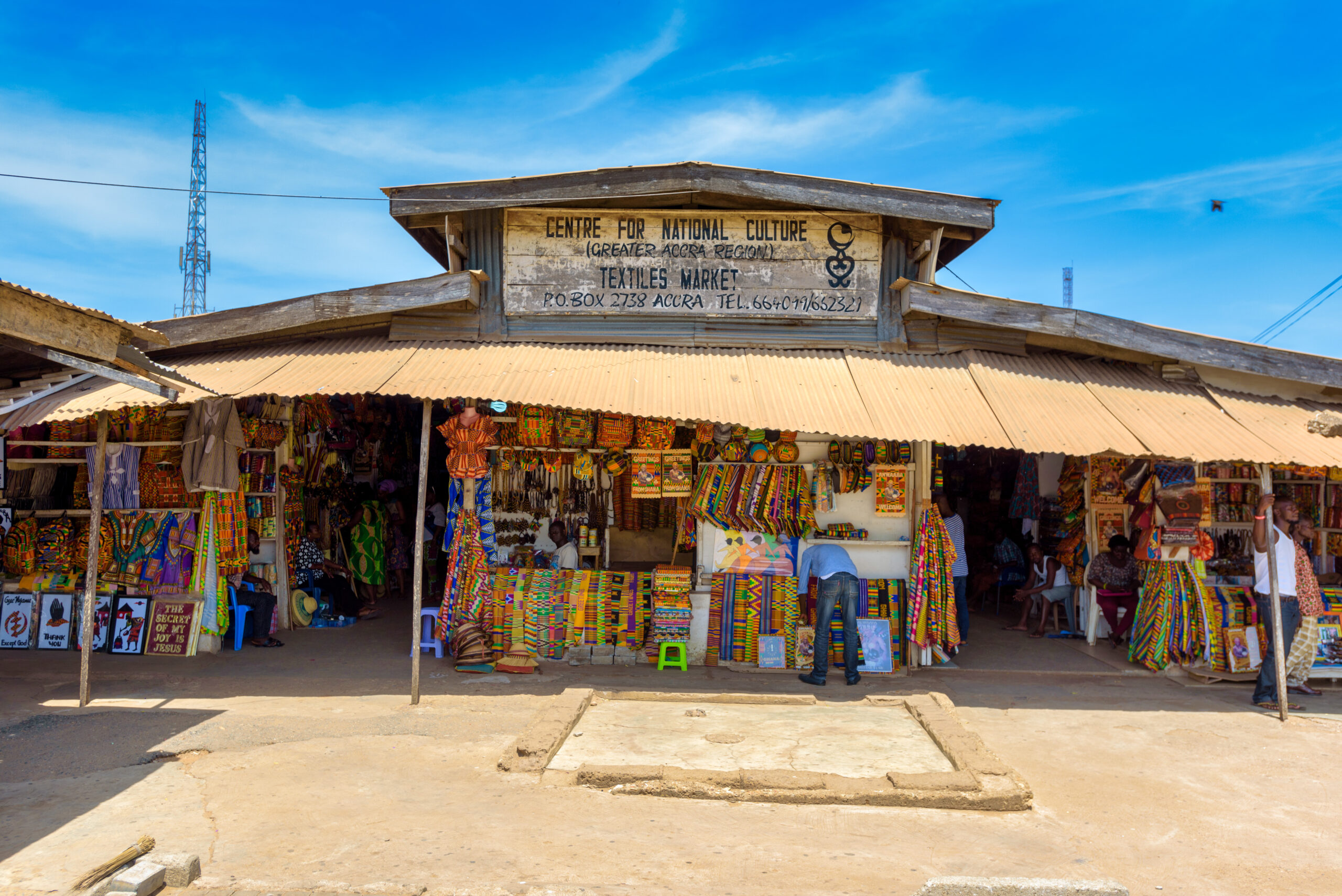
The Arts Centre showcases Ghanaian crafts including textiles, carvings, jewelry, and artwork.
It is a popular destination for cultural experiences and authentic handmade souvenirs.

National Museum

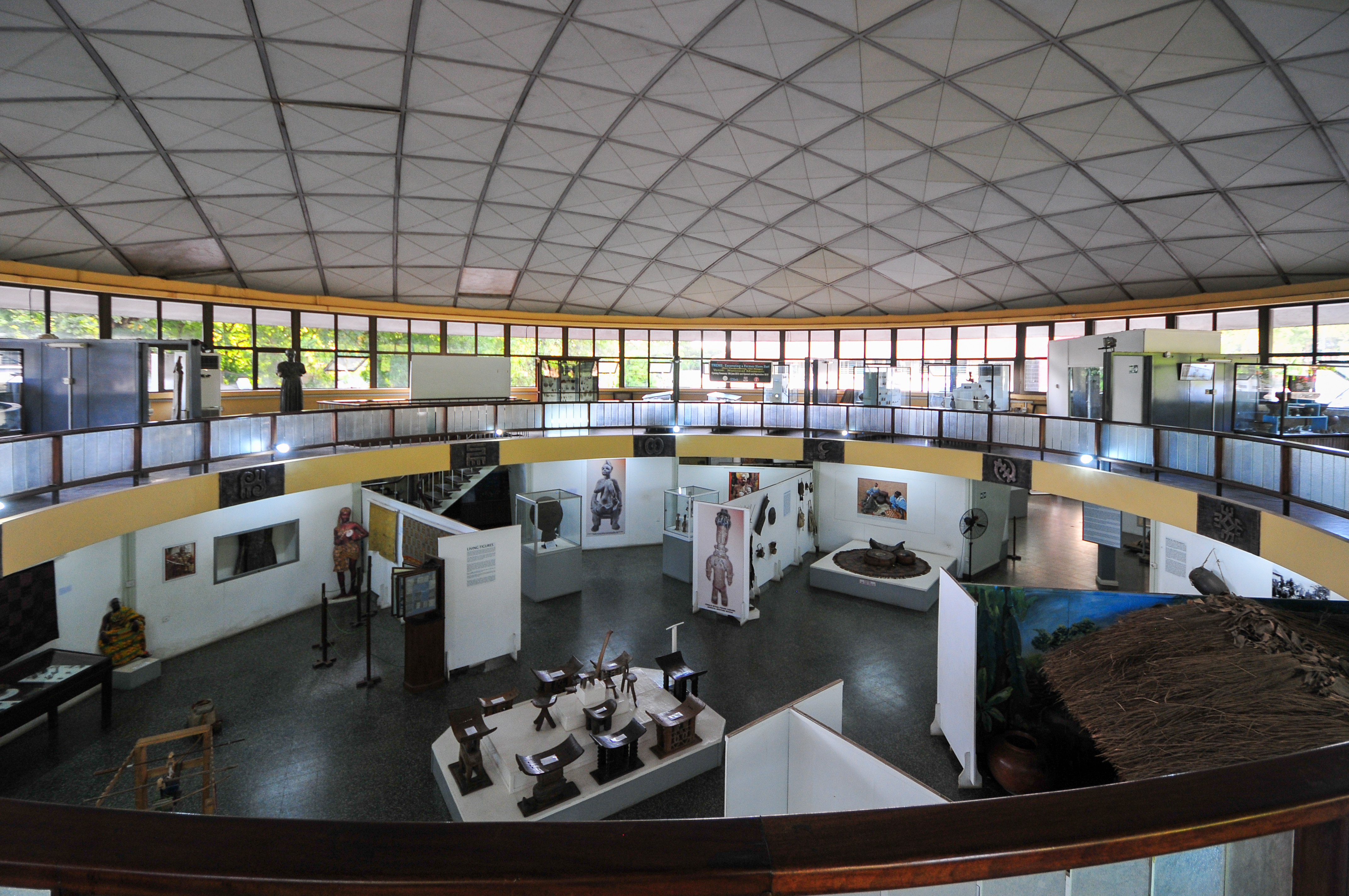
The museum presents Ghana’s history through archaeology, ethnography, and cultural exhibitions. Visitors learn about precolonial societies, independence movements, and more.

Osu Castle

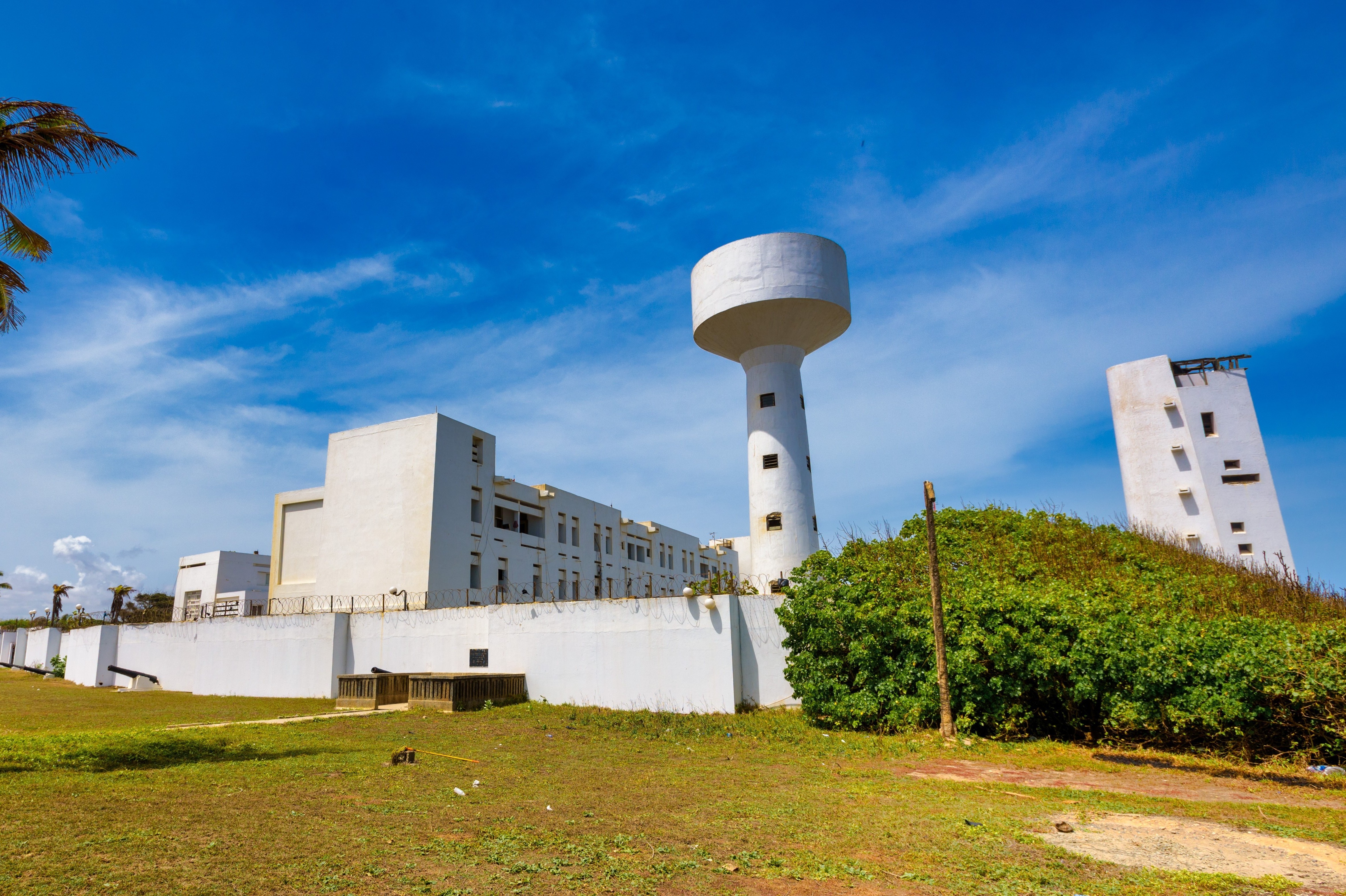
Osu Castle served as a stronghold and later Ghana’s seat of government.
Located on the coast, it remains a symbol of Ghana’s historical legacy.

Practical Travel Information

  • Climate: Accra has a tropical climate with warm temperatures year-round, a wet season from April to October, and a dry, sunny season from November to March.

  • Currency: The official currency of Ghana is the Ghanaian Cedi (GHS), widely used for all transactions, with cash preferred in markets and cards accepted in hotels and larger stores.

  • Dress code: In Accra, casual and breathable clothing is suitable for everyday activities, while modest attire is recommended when visiting religious or cultural sites.